
Monday to Saturday - 8:00 -17:30

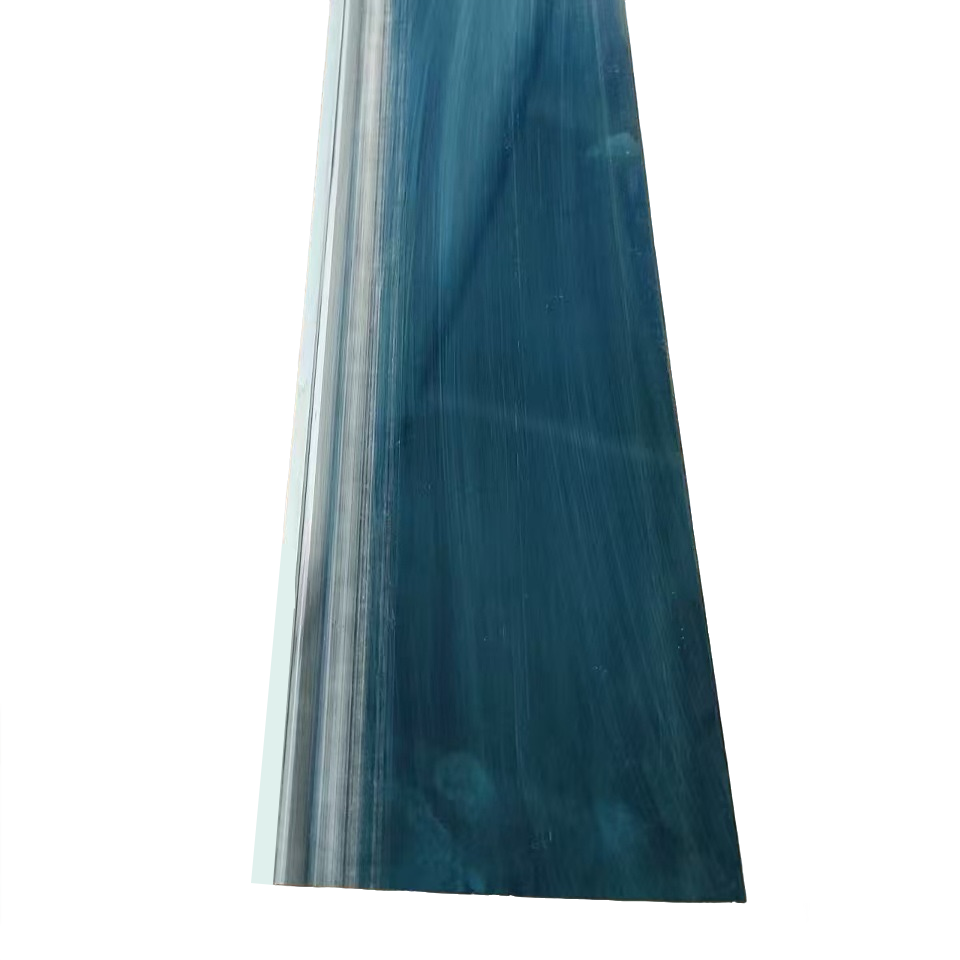
In the earliest coating doctor blade coating machines, the blade was attached to the lower lip plate of the material reservoir, and pressure was applied by the entire reservoir assembly pressing against the back roller. Because the blade formed an angle with the roller’s radius, it was angled and exerted a force at the top. It was found that this force could control the coating amount, but it was not constant.
As the doctor blade wore down rapidly, its edge transitioned from a square to a beveled edge, thereby reducing the pressure per unit area on the top and decreasing the blade’s skew angle. This was acceptable for low-basis-weight papers such as No. 5 paper, but further investigation was still required. As inverted doctor blades become more widespread, intensified research has become urgent.
This is only natural, as the doctor blade must be absolutely flat and absolutely straight across the width of the coating machine. Both edges must be parallel, and the thickness must be uniform. Experience has shown that angled doctor blades are best suited for lower coating weights, while curved or straight doctor blades are used for higher coating weights. Beveled blades should be pre-ground rather than ground on the coating machine.
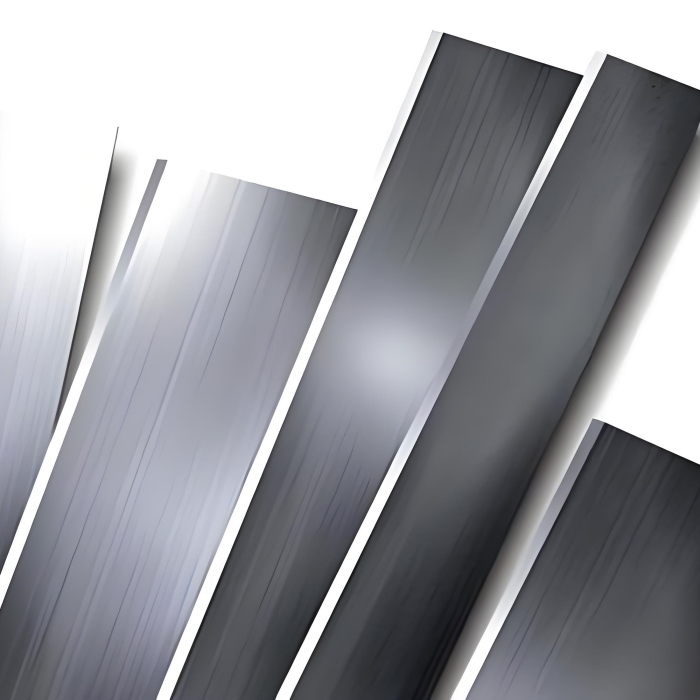
Experience also dictates which paper grades and coating weights require specific angles, and when new blades are needed. New blades must be individually polished with a grinding stone and inspected for burrs and cracks. They must all be treated to prevent rust and then carefully packaged. Coating machines come in many different configurations, requiring blades of varying widths and thicknesses accordingly. Thickness generally ranges from 2.5 to 7.6 mm. Width variations fall into two categories: one section of the blade is clamped in the fixture, while the other section serves to level the coating.
Typically, the clamped section is 25 mm, with the remaining length (up to 75 mm) reserved to extend the operating distance via pressure tubes or rods. The actual overhang of the blade is generally 6–25 mm. Blade lift is adjusted based on the hydraulic force of the coating, machine speed, and the load on the blade. On the surfaces of curved or straight blades, the pressure per unit area (kPa) is much lower than on inclined blades, so wear is expected to be slower.